5 min read
We’re at an Economic Turning Point — Why Spending Visibility Matters More Than Ever

Article by
Carl Thompson · CEO and Co-founder of SortMe
Something has shifted in the NZ economy. But do you feel it?
Westpac's economists recently described this as an "economic turning point" for New Zealand. The Reserve Bank has cut the official cash rate nine times — from 5.5% in August 2024 down to 2.25%(1) — and GDP is expected to grow again after a painful few years. On paper, that sounds like good news.
But here's the thing: most Kiwi households aren't feeling it yet.
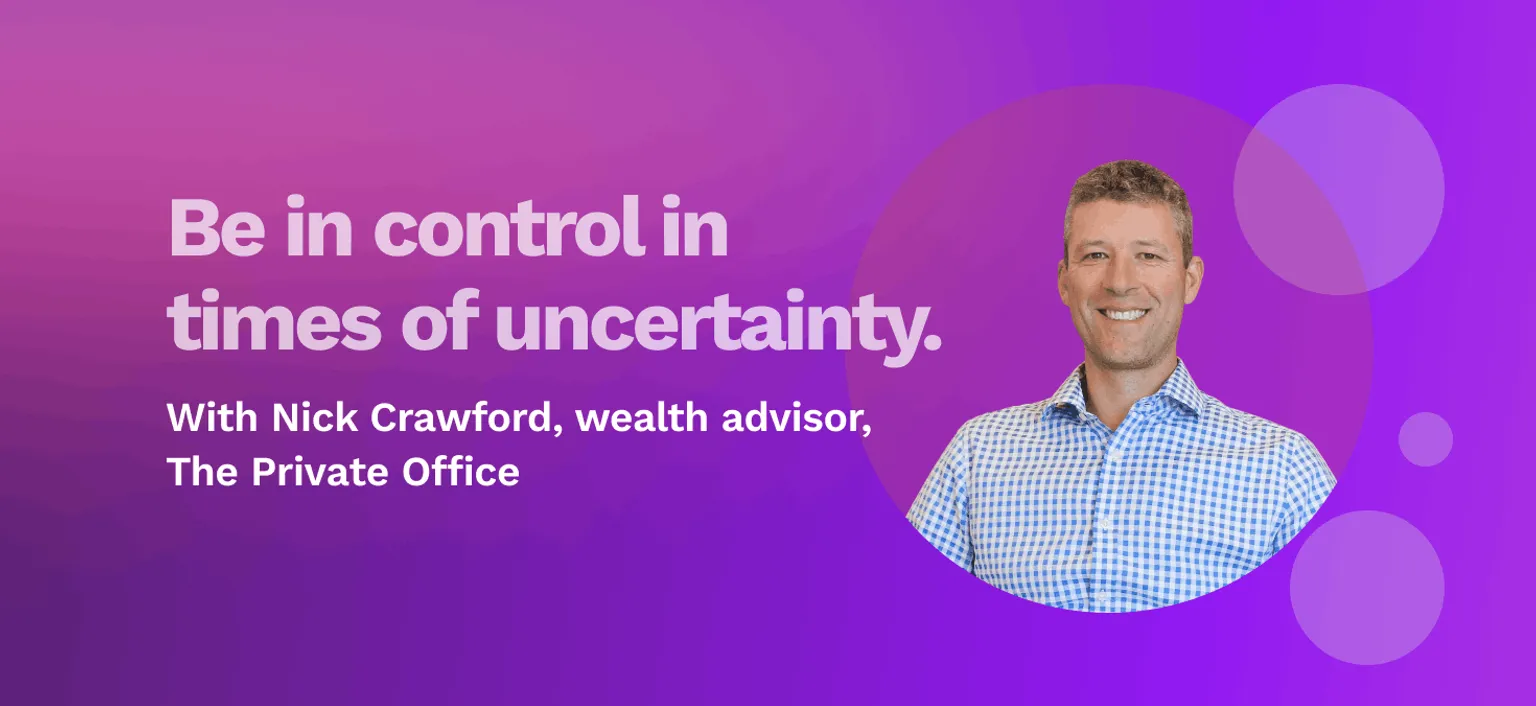
"The idea of an 'economic turning point' sounds positive, but in practice it brings uncertainty," says Nick Crawford, General Manager at The Private Office, one of New Zealand's leading wealth advisory firms. "We may be moving into a more stable period, but there are still risks — geopolitical pressures, energy price increases, inflation. That uncertainty makes it harder for households to feel confident in their decisions."
Crawford is right. Westpac's most recent forecasts show unemployment peaking at 5.6% and inflation at 4.1% through mid-2026(2). Household living costs rose 2.2% in the 12 months to December 2025, with energy up 9.1%, insurance up 10%, and local rates up 12.2%(3).
The economy might be turning. But for many households — even those earning well — that turning point hasn't arrived on their bank statement.
Earning more doesn't mean feeling more in control
Here's something that surprises people: financial stress isn't just a low-income problem.
Nick Crawford sees it at The Private Office every day. "As people earn more, they tend to spend more — and with that, it becomes harder to feel in control," he says. "Between insurances, children, groceries, subscriptions and general lifestyle, the volume of transactions is huge. The sheer weight of it can make tracking spending feel overwhelming."
And the uncomfortable truth? "In reality, a lot of people are guessing. They assume things are fine because income is high, but don't have a clear picture of what their monthly spend actually is, and how to bring it under control."
This isn't about irresponsibility. It's about complexity. Modern household finances involve dozens of automatic payments, split accounts, variable expenses, and categories that blur together. Even dual-income couples earning six figures can genuinely be unsure, within several thousand dollars, what they actually spend each month.
Why uncertainty is exactly when you need visibility
When the economy is uncertain, the instinct is to watch the news more, think harder, and wait to see what happens. But Crawford says that's often the wrong move.
"In this type of environment, the most important thing is to stay focused on your own financial plan and goals, rather than reacting to the noise, which is often negative."
As the founder of SortMe, I see it simply: we need to hope for the best and plan for the worst. It's a human default to avoid things until they become emotional — financial visibility trends in times of economic uncertainty because the emotional stress of not being prepared has finally sunk in.
The key word is your own. Not the Reserve Bank's plan. Not Westpac's forecast. Yours. And you can't stay focused on your plan if you don't know what your baseline actually is — not your income, not your KiwiSaver balance, but your real cost of living. What it actually takes, every month, to run your life.
Crawford says this is the single question that unlocks everything else. "One of the key questions we ask clients is: how much do you spend? It's also one of the hardest questions for people to answer."
Without that number, savings targets are guesses. Investment decisions are rough. Risk assessments miss the mark.
What the data actually shows
SortMe can see it in real time. When economic pressure builds, spending behaviour shifts — often before people consciously realise it.
At SortMe, we see people focus on where they can reduce expenses. Restaurants and bars are usually the first to feel it — hospitality spending drops noticeably. Subscription cancellations also spike. People start cutting the things that feel optional.
The problem is that this kind of reactive trimming — without a full picture — often doesn't go far enough, or cuts the wrong things. Visibility doesn't just help you see where your money goes. It helps you make deliberate decisions rather than emotional ones.
What a wealth advisor actually does — and why it matters right now
Here's something most people don't realise about working with a financial advisor: investments are often the last thing on the agenda.
"Many people still think a financial advisor's role is primarily about picking investments and generating returns," says Crawford. "In reality, good advice is about understanding your full situation — your family, income, assets, and what you're trying to achieve — and building a good plan around that. Investments are then just a tool to help you achieve your planning goals."
And right now — when markets are volatile and uncertainty is high — that advisory relationship is more valuable than ever.
"A good advisor proves their value in periods like this," Crawford says. "When markets are volatile and uncertainty is high, it's very difficult to know what to do. We can provide context, reassurance, and help you stay aligned to your long-term plan — which is often the difference between making good decisions and reacting in a fearful way that potentially sets you back."
How spending visibility fits the picture
For all of this to work — the plan, the advice, the accountability — you need data. Specifically, accurate, real-time spending data.
"Historically, getting a clear view has taken time and effort, so many people either avoid it or rely on rough estimates," Crawford says. "Tools like SortMe that give people a simple, accurate and real-time view of their spending are incredibly valuable, because they help answer one of the most important questions in personal finance — what is my actual cost of living? If you can get that clarity, other financial decisions — how much to save, where to invest, how much risk to take — become much easier."
I couldn't agree more. You can't understand where you are financially unless you have a tool that pulls it all together. SortMe makes conversations with an advisor far more valuable — the advisor can focus on what the client actually needs, rather than spending time digging through data or questioning rough estimates. Clear client data is the key to personalised advice.
SortMe connects directly to your bank accounts and automatically categorises every transaction, giving you a live picture of where your money is going without spreadsheets or manual entry. Walking into an advisory session with three months of categorised spending history changes the conversation entirely.
Three things to do before next quarter
Whether you're working with a wealth advisor or not, here are three things worth doing now.
1. Find out your actual cost of living. Not a rough estimate — the real number. Connect SortMe to your accounts and let it pull 60–90 days of history. You'll likely see a few surprises.
2. Identify where spending has crept. Most households have at least one category — subscriptions, dining, insurance duplication — where spend has quietly drifted. Knowing is the first step to doing something about it.
3. Stay focused on your own plan. As Crawford says, reacting to economic noise is usually a mistake. The households that navigate uncertain periods best aren't the ones who watch the most news — they're the ones who know their numbers and stick to their strategy.
The economic turning point Westpac is talking about is real. But whether it feels real for your household will depend on something no GDP forecast can measure: how clearly you understand your own financial picture.
I see SortMe as a conduit between clients and advisors — the bridge that empowers a connected and holistic relationship between your day-to-day financial reality, and the long-term plan.
Sources
- OCR lowered to 2.25% — Reserve Bank of New Zealand
- Westpac economists see 5.6% unemployment and 4.1% inflation — interest.co.nz
- Household living costs increase 2.2 percent — Stats NZ