.avif)

.avif)
bank logins to chase, export and stitch back together by hand.
…was that for the rental, or the house? You honestly can't remember.
gone — sorting receipts and second-guessing every transaction.

.avif)
Trust, LTC, company, partnership or sole trader. We default the year-end to 31 March — change it if you need to. Takes about thirty seconds.
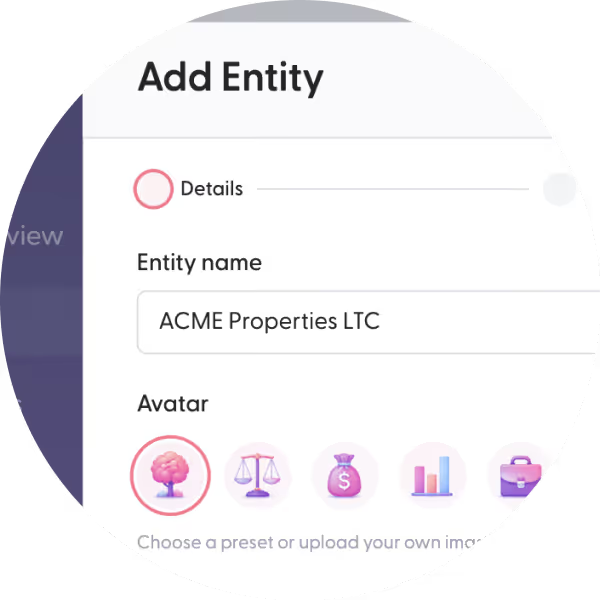
Link each account to its entity once. SortMe auto-tags every new transaction and reaches back through your history, so the entity is complete from day one — not just from today.

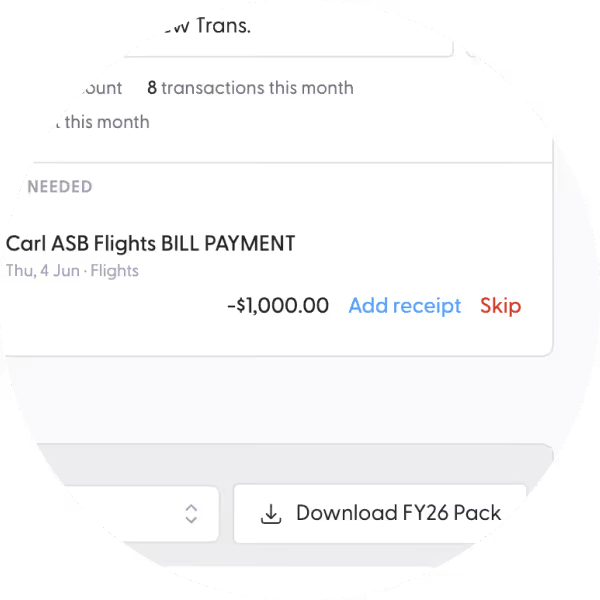
Spend $500 or more on a business account and SortMe asks for the receipt then and there — while you still have it. No shoebox. No March panic.
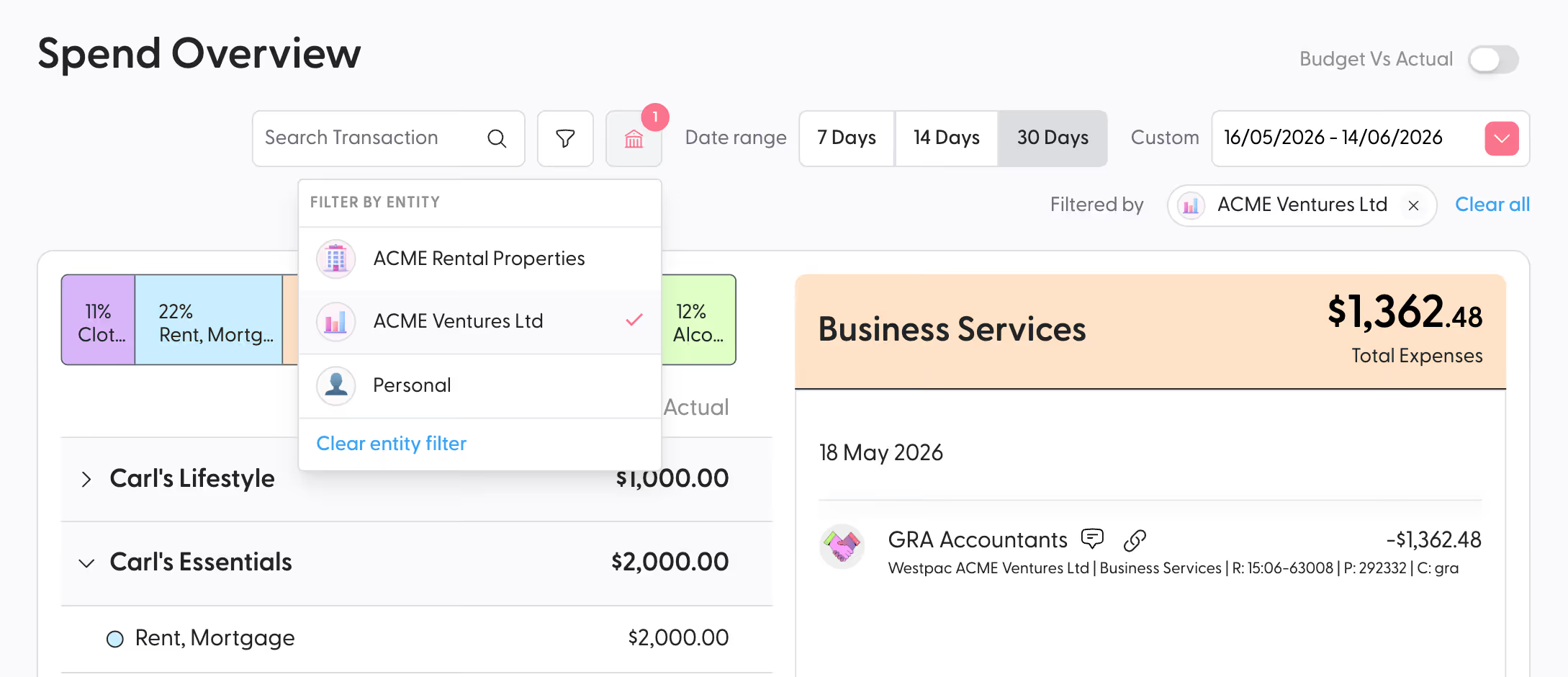
Every screen respects the filter. Tap an entity to see just its books, or switch to Personal to see only your own money — nothing else bleeding in.
Pretend your entities don't exist. Your trust and your salary land in the same messy pile.
Built for accountants, priced for businesses, and total overkill for one rental.
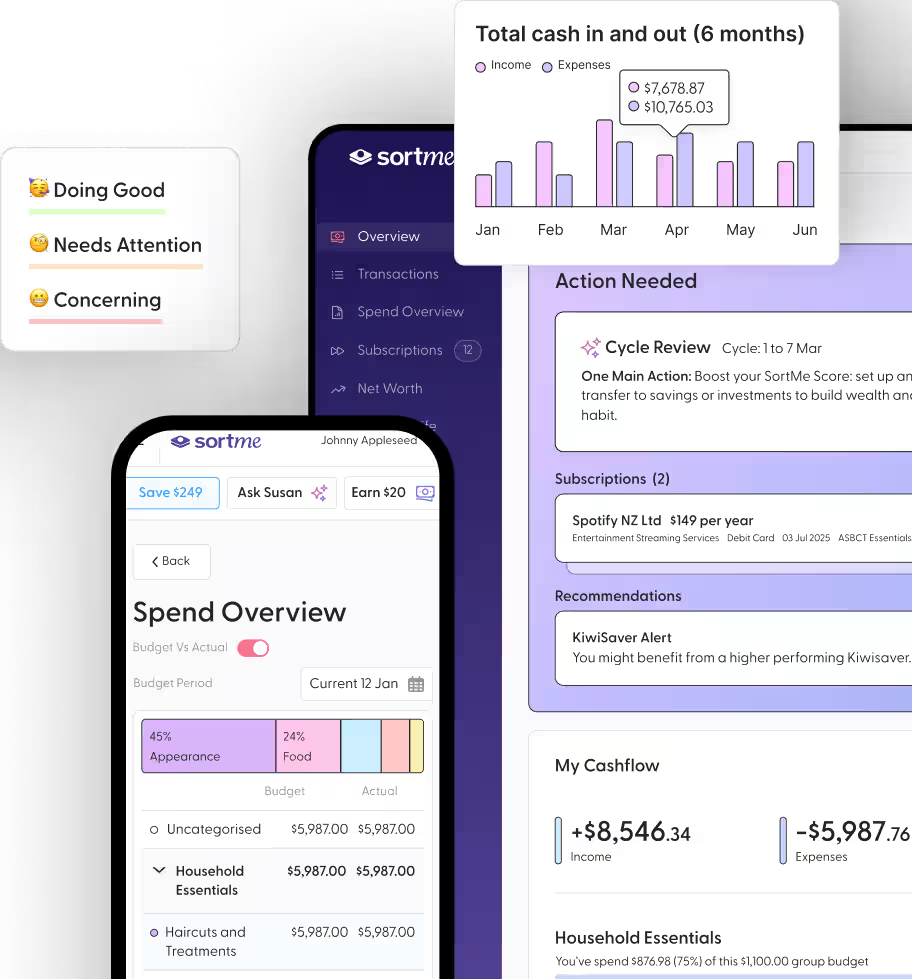
The only app that keeps your personal money and every entity you own in one place. The bridge to your accountant — nothing more, nothing less.
.webp)
Holding a rental through a trust or LTC. See the property's books on their own, kept clean for your accountant — separate from the family budget.
Running a company or a sole-trader gig on the side. Keep business spend, receipts and GST-ready records apart from your own — without a second app.
Reporting to an accountant once a year. Hand over a tidy, reconciled pack instead of a year of guesswork — and answer fewer follow-up emails.
I wish I had this software years ago, it is dramatically changed my approach to spending. A game changer for me! Super easy to use and data presented in a meaningful way that keeps you motivated and not to spend too much!

Very easy to use platform - much nicer UX than other 'budgeting'/'tracking' software I've used previously. Swift replies from Customer Support (or directly from the CTO!) with any queries. Loving the daily update for keeping me in the know with money in and out.

I have already recommended you! I've been made to feel comfortable, and welcome. There is no judgement! The website is informative and easy to navigate. You make it seem like financial freedom is possible!

I found a $780 transaction that I had forgot to expense back to the company. SortMe has already paid itself back may times. Brilliant.

My go-to for financial management, streamlining the chaos of multiple apps. It's an invaluable tool, simplifying the process with useful features like net worth, transactions, and goal setting. Now, I can easily track my financial health, contributing not just to financial clarity but also improving my overall well-being.

SortMe is a great tool to help you understand where your money goes. It is more comprehensive than some paid tools on the market and easier to use.

SortMe is a fantastic way to manage your finances. A solid 9/10 so far in terms of everything I’d hope for. I found it very seamless and a lot less convoluted than other apps out there.

SortMe has done all the thinking behind what I need to set up a realistic budget, have oversight into my financial position, and make positive financial steps. I love the tips for saving it gives based on my spending - the random subscriptions that I didn’t want but hadn’t been able to quite nail down have been nailed down and cancelled! Super user-friendly. Highly recommend SortMe.

SortMe has helped us find and cancel app subscriptions we didn't need. Saving us over $2,000 per year. It's so worth it.

Before we found SortMe, we found it overwhelming trying to manage the various accounts between us. We could never quite figure out where our money was going. As soon as we signed up to SortMe, that changed instantly. We could see exactly what we were spending and where we needed to pull back. Amazing tool. Highly recommend.

Easy to navigate. Easy visuals to track spends and proportion of income on spends. Particularly like the recurring transactions feature.

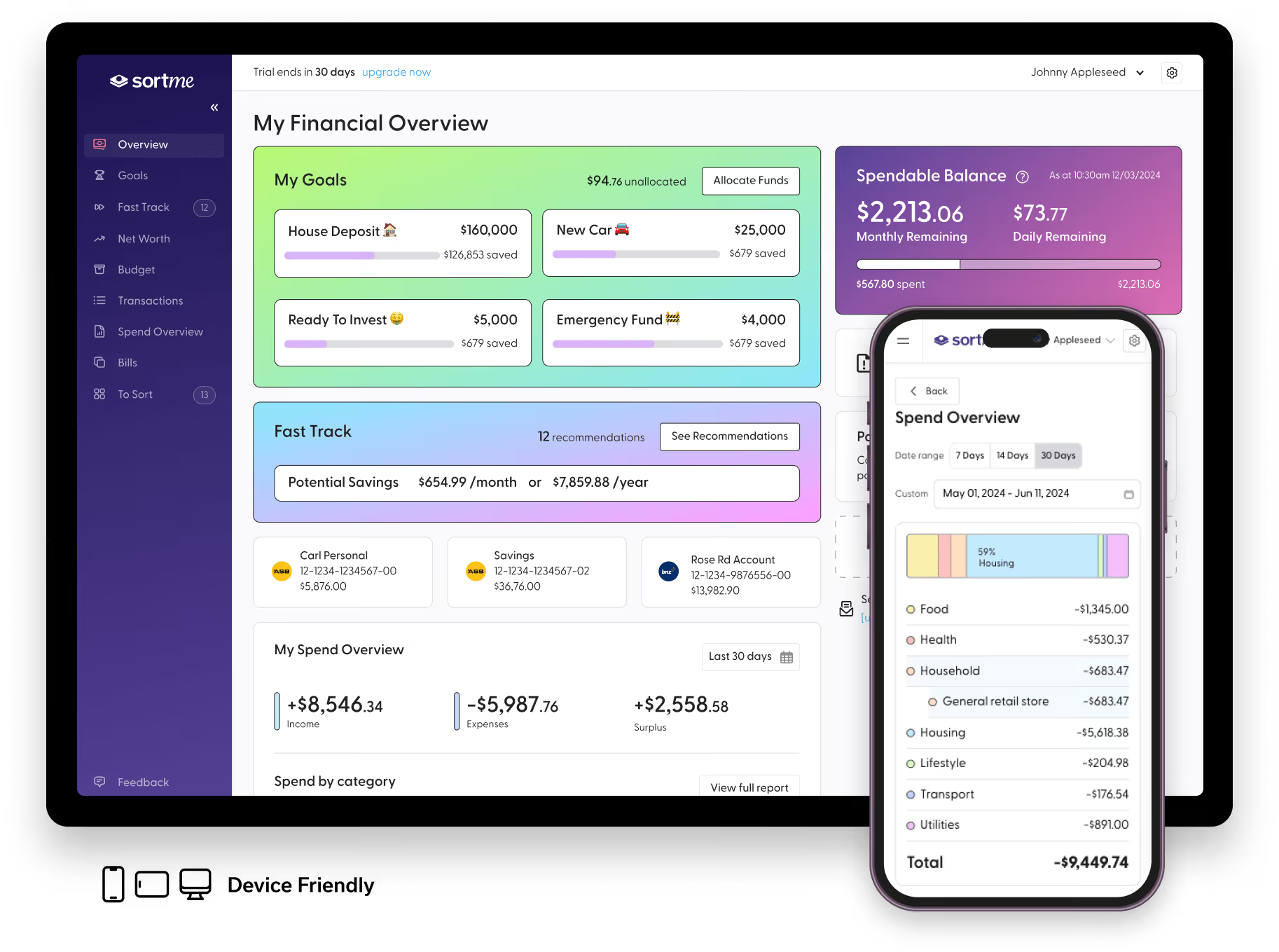
SortMe is the perfect solution for taking control of my finances. Many useful features (bank connection, automatic categorisation, budgeting, net worth, etc) that really tick the boxes of everything I could want from personal finance software. Finally found an upgrade from the homemade Excel spreadsheet!